Understanding AI Language Translation: Advantages, Obstacles, and Resolutions
AI-powered language translation is revolutionizing how you connect with global audiences, making communication faster and more streamlined. While it delivers remarkable benefits for businesses, it also creates challenges that can impact accuracy and context. Understanding these dynamics is vital for maximizing the benefits of AI translation. So, what are the key obstacles you'll face, and how can you overcome them to truly utilize this technology? Let's explore.
What Is AI Language Translation and How Does It Function?
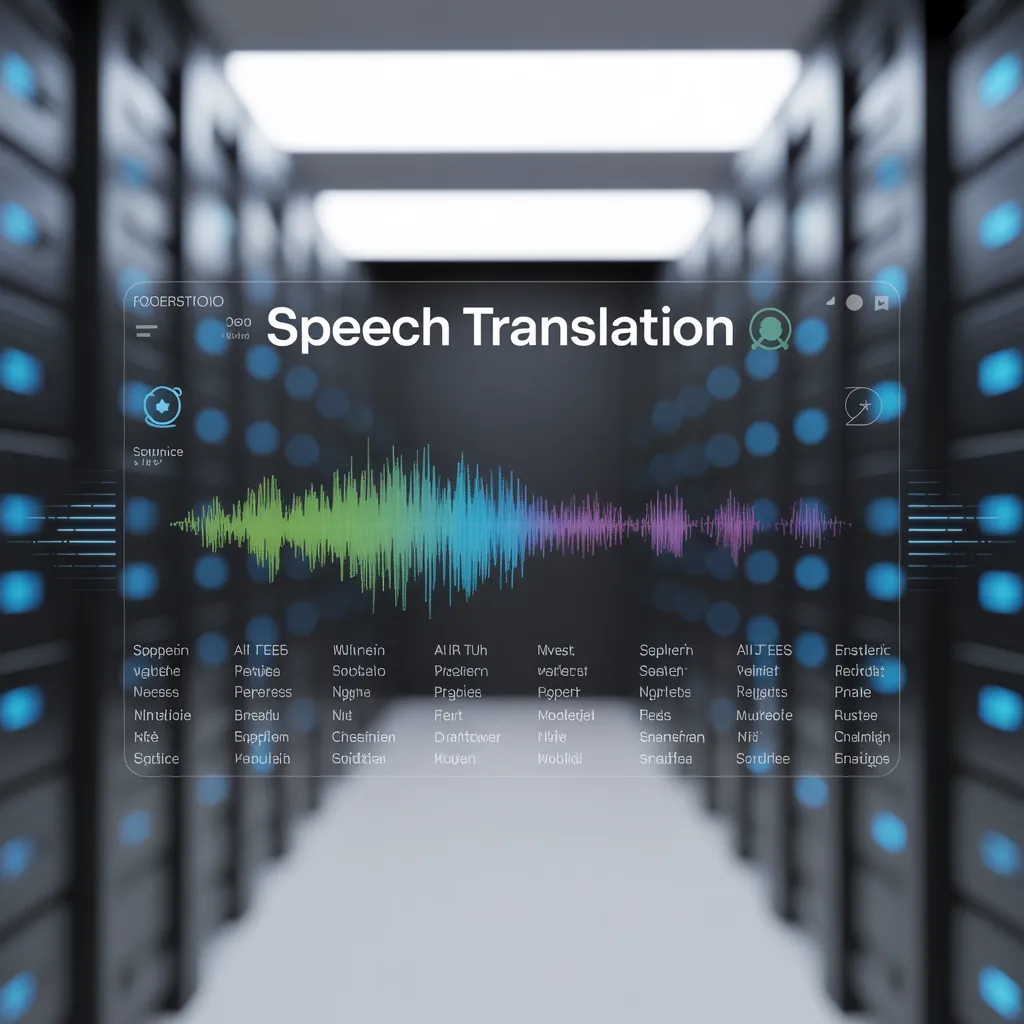
AI language translation is a groundbreaking technology that leverages artificial intelligence to convert text or speech from one language to another. It utilizes cutting-edge algorithms and machine learning systems to assess the structure and context of the source language, delivering more accurate translation results. As you enter a phrase, the AI deconstructs it into individual elements, comprehending grammatical rules and meaning. It then generates the equivalent in the target language, often considering cultural nuances. Neural networks play a significant role, allowing the system to improve over time as it processes more data. This means you get translations that are not just literal but also contextually relevant, making communication across languages smoother and more effective.
Core Benefits of AI Language Translation for Enterprises
AI language translation can transform how your business communicates globally. You can expand your global reach and forge stronger connections with diverse markets by eliminating language barriers. Additionally, these solutions frequently demonstrate cost-effectiveness, conserving your time and resources over time.
Expanded Universal Presence
In today's interconnected world, businesses shouldn't underestimate the power of language translation. By leveraging AI language translation tools, you can smoothly break down communication barriers and connect with diverse audiences. This expanded global reach allows you to access new markets and discover untapped customer bases. With real-time translation capabilities, you can rapidly handle inquiries, ensuring you don't miss out on potential sales. Furthermore, AI translation tools can adapt to various cultural nuances, making your messaging resonate more effectively. As you develop your global presence, you'll build stronger relationships with international clients, fostering loyalty and trust. Embracing AI language translation is not just an option; it's a vital step toward excelling in a global marketplace.
Cost-Effective Communication Options
Expanding your global reach doesn't just provide access to new markets; it also results in more economical communication solutions. By leveraging AI language translation, you can greatly reduce costs connected to hiring human translators and lengthy localization processes. Automated translations provide instant results, enabling you respond quickly to customer inquiries and market demands.
In addition, you can maintain consistent messaging across different platforms without the added expense of multiple translations. This efficiency ensures you can allocate resources to other vital areas of your business. With AI, you also gain constant improvements in translation accuracy, making certain your communications remain professional and effective. Overall, AI language translation equips you to communicate effectively and economically in a globalized market.
Language Translation AI: Enhancing Accessibility With Real-Time Solutions
Real-time AI language translation is removing communication barriers as technology evolves, making information accessible to every individual, regardless of their native language. You can engage with people from various cultures and backgrounds without the fear of misunderstanding. Envision traveling without language obstacles or participating in global meetings effortlessly. AI translation tools, obtainable on smartphones and laptops, let you communicate instantly, whether in text or speech. They empower you to learn new languages on the go, strengthening your personal and professional connections. With real-time solutions, you're not just consuming content; you're engaging and working together in ways that were once impossible. Adopting these technologies opens doors to a more inclusive world where everyone can participate fully.
Key Difficulties in AI-Powered Language Translation Accuracy
When you think about AI language translation, you might recognize it faces challenges with contextual understanding and idiomatic expressions. Such issues can result in ambiguity and misunderstandings in translations. We'll explore how these issues impact accuracy and what can be done to resolve them.
Limitations of Contextual Understanding
Even though AI language translation has seen substantial advances, its shortcomings in contextual understanding continue to be a primary obstacle. Regularly, AI finds it difficult to capture the subtleties of human communication, producing mistranslations that can change meaning. For example, when you apply a phrase that holds cultural significance, an AI could overlook the underlying context, generating a translation that seems lifeless or inappropriate. In addition, delicate cues like tone or intent can readily evade AI algorithms. This shortage of contextual awareness can produce misunderstandings, particularly in complex conversations. To boost accuracy, developers must to concentrate on enhancing AI's ability to detect context, guaranteeing that translations align better with the intended audience. Resolving these shortcomings is essential for real-world applications.
Difficulties with Idiomatic Expressions
Machines struggle significantly with idiomatic expressions in AI language translation, making accurate conveyance of intended meaning difficult. When you say something like "kick the bucket," a machine might translate it literally, missing the fact that it means "to die." Such errors create confusion and communication breakdowns. You might find that some idioms don't even have direct equivalents in other languages, complicating the translation further. Cultural context, essential for comprehending idiomatic phrases, remains difficult for AI to grasp. As a result, translations can come off as awkward or nonsensical. To improve accuracy, developers must focus on contextual learning and incorporate extensive idiomatic databases, allowing AI to better interpret and translate these expressions.
Nuance And Ambiguity Challenges
Ambiguity and nuance present significant hurdles in AI language translation, as subtle differences in meaning can completely alter the objective of a message. You could state, "I can't wait," which communicates excitement in English, yet in another language, it could be misinterpreted. Context plays a crucial role; without it, AI struggles to comprehend the actual meaning behind copyright. Furthermore, cultural references and emotional subtleties often are missed in translation. For instance, sarcasm may not translate well, causing misunderstandings. To boost accuracy, AI must integrate more contextual information and learn from real-world usage. By tackling these difficulties, you can strengthen the effectiveness of AI translations, making them more trustworthy and relevant for different audiences.
How Do Cultural Nuances Affect AI Translation?
Cultural distinctions fulfill a critical purpose in shaping the effectiveness of AI translation. When you communicate, subtle cues like colloquialisms, comedy, and nonverbal signals can convey deeper meanings that machines often miss. For instance, a phrase that's amusing in one culture might be disrespectful in another. If AI overlooks these nuances, it can lead to misunderstandings or awkward translations.
Moreover, context matters. copyright can have varying meanings influenced by cultural backgrounds, and AI may struggle to comprehend this complexity. You might find that translations lack the emotional resonance necessary for effective communication. Identifying and incorporating these cultural factors is essential for creating translations that truly reflect the intended message, spanning the gap between complete guide languages and fostering improved understanding.
Solutions to Improve AI Translation Contextual Accuracy
To boost AI translation accuracy and context, developers can employ advanced machine learning techniques and integrate user feedback. Leveraging deep learning and neural networks helps you train models that comprehend subtle language nuances. Additionally, implementing feedback loops aids in refine translations, making them more contextually accurate.
Including domain-specific content can more effectively enhance accuracy, specifically in specialized fields like medicine or law. You may consider working with bilingual speakers who can verify translations and provide real-world context.
Regularly updating the language models depending on emerging trends and idiomatic expressions is crucial, too. By emphasizing these strategies, you'll build a more responsive AI translation system that fulfills user needs and expectations.
AI Language Translation's Future: Key Trends to Monitor
Since AI language translation technology steadily advance, you'll notice several key trends shaping its future. Initially, real-time translation will become smoother, allowing you to communicate effortlessly across languages without delays. Subsequently, enhanced contextual understanding will boost accuracy, adapting translations based on nuances and cultural references. You'll witness increased integration of AI with augmented reality, enabling live translations during events or conversations. Moreover, a focus on ethical AI will address biases in language models, guaranteeing fair representation. In conclusion, customization will permit users to tailor translations to specific industries or personal preferences. Combined, these trends will reshape how you interact globally, making communication more accessible and meaningful.
Common Questions
What Languages Do AI Translation Tools Support at Present?
AI translation services currently accommodate numerous languages, including Spanish, French, Mandarin, German, Arabic, plus many additional languages. You'll find options for both common and lesser-known languages, enabling smoother communication across various cultures and regions.
How Does AI Translation Handle Idiomatic Expressions?
AI-powered translation systems evaluate context and usage, transforming idiomatic expressions into equivalent phrases in the target language. They're improving steadily, but sometimes you might still observe inaccuracies or awkward translations in subtle expressions.
Does AI Translation Function Without Internet?
Absolutely, AI translation can operate offline if you obtain the needed language packs. Several apps include this feature, enabling you to translate without an internet connection, which is perfect for travel or areas with restricted connectivity.
Are Users' Data Privacy Safeguarded in AI Translation Platforms?
AI translation services typically ensure user data privacy protection. Several providers incorporate encryption and comprehensive data security policies, making certain your information is kept confidential and safe during translation operations. Always check their privacy policies for specifics.
Which Sectors Gain the Most From AI Language Translation?
You'll find that industries such as healthcare, e-commerce, travel, and education benefit most from AI language translation. They enhance communication, extend market reach, and enhance customer experiences, making it less difficult for you to connect globally.